
The historical evolution of gambling A journey through time with Hispin casino
The Ancient Beginnings of Gambling
The roots of gambling trace back to ancient civilizations, where games of chance were a means of entertainment and decision-making. Archaeological findings reveal that as early as 2,300 BCE, the Chinese used rudimentary dice made from animal bones. Similarly, ancient Egyptians engaged in betting on various games and events, which illustrates the intrinsic human attraction to risk and reward. Gambling in these societies was often intertwined with religious practices, adding layers of cultural significance. Modern enthusiasts can look forward to engaging with platforms like hispin-australia.com, which aims to provide incredible gaming experiences.
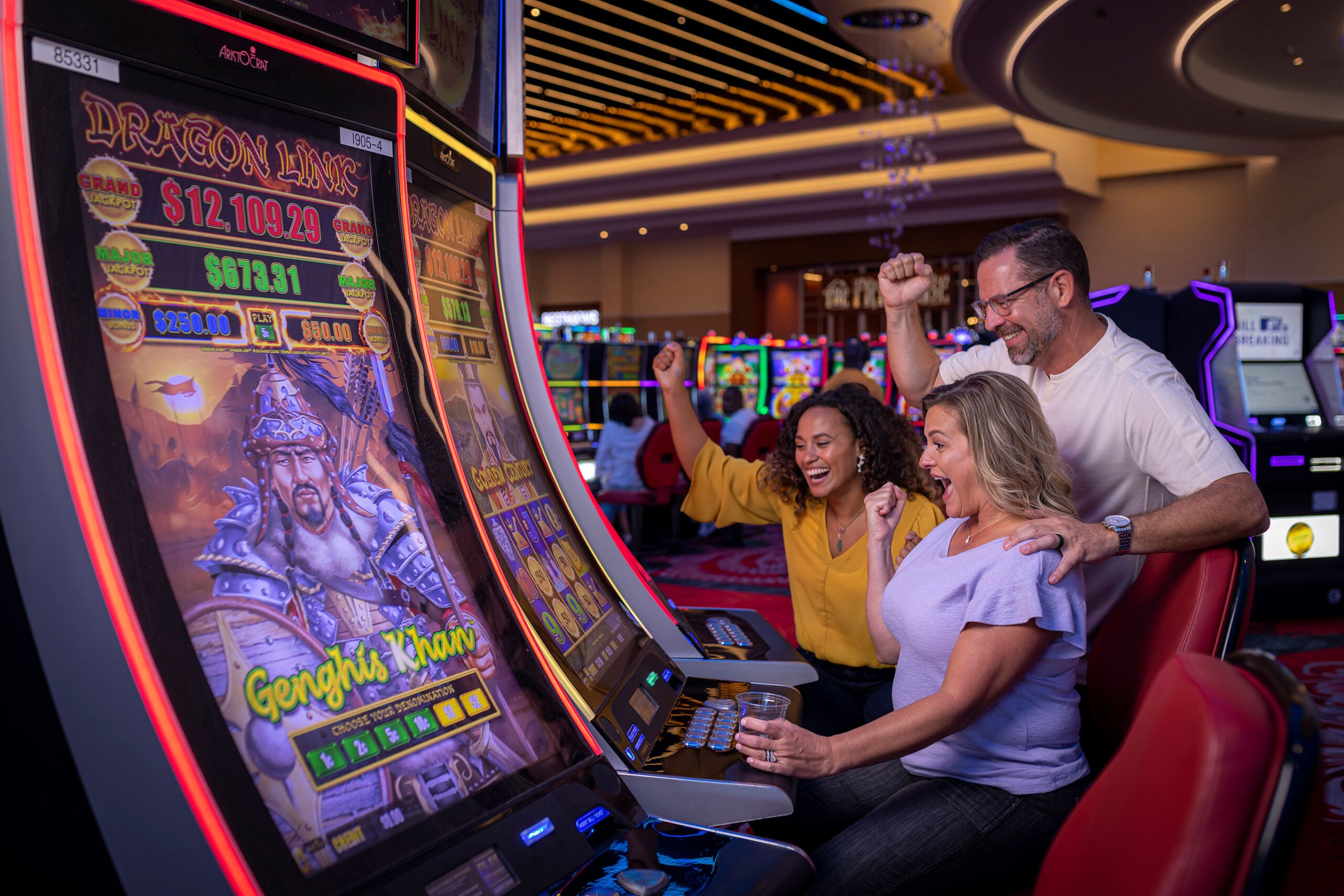
The Greeks and Romans further developed gambling, especially with the introduction of games such as knucklebones and early forms of dice. These societies held gambling in high regard, often associating it with fortune and fate. The Roman Empire saw the establishment of organized gambling, including betting on gladiatorial events, which demonstrated how deeply embedded gambling had become in social structures. Such activities laid the groundwork for the evolution of gambling as a pastime across continents.
As civilizations advanced, so too did gambling. The Middle Ages witnessed the rise of card games in Europe, with tarot and playing cards becoming popular. This period saw gambling moving from public arenas to private gatherings, setting a trend for future betting behaviors. The blend of chance, skill, and social interaction formed the foundation for modern gambling practices, establishing a platform that would only grow more complex with time.
The Rise of Modern Gambling
The 17th and 18th centuries marked the transition to modern gambling, characterized by the establishment of formal betting houses and casinos. The first official casino, the Casino di Venezia, opened its doors in 1638 in Italy, attracting the elite and setting the standard for luxury gambling establishments. This era also saw the invention of games like roulette and baccarat, which are still popular today. As gambling became more accessible, societal attitudes shifted, leading to increased participation among diverse social classes.
The Industrial Revolution catalyzed a significant change in gambling culture, with the emergence of horse racing as a primary form of betting. The establishment of the first pari-mutuel betting system in France revolutionized the way people engaged with this sport. This new approach allowed bettors to wager against one another rather than against the house, thereby increasing the stakes and excitement around racing events. With increased mobility and leisure time, gambling became a popular recreational activity.
By the late 19th and early 20th centuries, gambling had taken on an even more significant role in society. The proliferation of gaming machines and the establishment of Las Vegas as a gambling mecca during the 1930s solidified the industry’s presence in modern culture. Las Vegas, known as the ‘Entertainment Capital of the World,’ transformed the landscape of gambling, introducing opulent casinos that appealed to a global audience. This era marked the transition of gambling from a taboo activity to a mainstream entertainment option.
The Digital Revolution and Online Gambling
The advent of the internet in the late 20th century brought about a groundbreaking shift in how gambling operates. The first online casino, established in 1994, offered a glimpse into the future of betting, enabling players to place wagers from the comfort of their homes. This digital revolution facilitated global access to gambling, breaking geographical barriers and allowing players to engage in various games without needing to visit a physical location. Online platforms provided an extensive range of games, appealing to diverse preferences.
With the increasing popularity of online gambling, various regulatory measures emerged, aiming to protect players and ensure fair play. Licensing and regulatory bodies began overseeing online casinos, fostering a safer environment for gamers. This period also witnessed the introduction of innovative technologies, such as live dealer games, which combined the convenience of online gambling with the thrill of a traditional casino experience. These advancements enhanced user engagement and satisfaction, attracting a broader audience.
As technology continued to evolve, mobile gambling gained traction, allowing players to access their favorite games on smartphones and tablets. Mobile apps and responsive websites made it easier than ever for users to enjoy gambling anytime and anywhere. This shift has reshaped gambling behavior, as more players opt for on-the-go gaming experiences. Online platforms have adapted by offering exclusive bonuses and promotions, thereby ensuring they remain competitive in an ever-evolving market.
The Impact of Legalization and Regulation
The legalization of gambling in various jurisdictions significantly altered the landscape of the industry. Countries like the United States have seen various states legalize online gambling, contributing to the industry’s growth and expansion. This legalization has led to increased tax revenues, job creation, and enhanced consumer protections. As laws evolve, it is crucial for jurisdictions to strike a balance between promoting responsible gambling and capitalizing on economic benefits.
Regulatory frameworks have emerged to ensure that players are protected from fraud and unfair practices. Various organizations provide support and resources for responsible gambling, promoting awareness about potential risks associated with betting. These measures have helped foster a more sustainable gambling environment, addressing concerns regarding addiction and ensuring that players have access to assistance when needed.
The shift towards legalization has also led to the rise of online platforms that prioritize transparency and user experience. By establishing robust systems for responsible gaming, these platforms have gained credibility and trust among players. This evolution in approach is vital for the continued growth of the industry, as the focus shifts from mere profits to creating a positive and engaging gambling experience for users.

The Future of Gambling with Hispin Casino
As the gambling landscape continues to evolve, Hispin Casino is poised to become a significant player in the online gaming sector. With a vast selection of games powered by leading providers like Pragmatic Play and NetEnt, players can expect a diverse gaming experience that caters to their preferences. The user-friendly mobile app enhances accessibility, allowing users to engage with their favorite games seamlessly.
New users at Hispin Casino can take advantage of a generous welcome bonus, which includes a 150% bonus on their first deposit and 100 free spins. This enticing offer not only attracts new players but also enhances their gaming experience from the very beginning. Ongoing rewards such as cashback and a VIP Club further demonstrate Hispin’s commitment to player satisfaction, ensuring that loyalty is recognized and rewarded.
With a focus on secure payments, including options for both card and cryptocurrency transactions, Hispin Casino prioritizes player security. The platform’s dedication to fair play and responsible gaming sets it apart in an increasingly crowded market. As the journey of gambling continues to unfold, Hispin Casino stands ready to offer an innovative and secure gaming experience, bringing the excitement of betting right to your fingertips.